
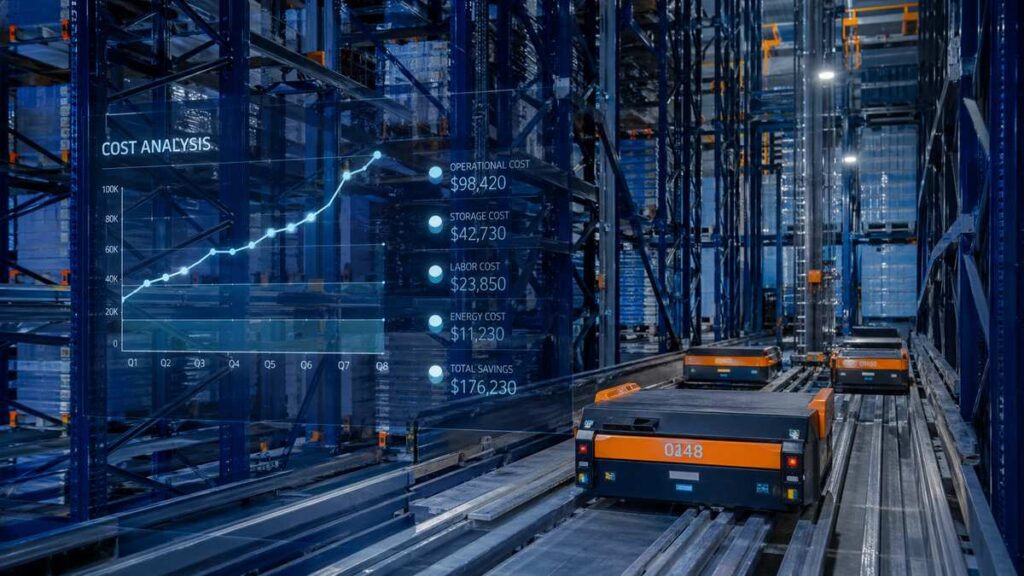
How much does an ASRS system cost? The short answer: anywhere from $500,000 for a small-scale robotic goods-to-person setup to $25 million or more for a fully integrated, multi-zone automated distribution center. The real answer is more nuanced — and that's exactly what this guide covers.
We've helped over 50 enterprise clients deploy automated storage and retrieval systems across manufacturing, e-commerce, retail, and 3PL operations. The single most common question we hear during initial consultations is about price. And the single most common frustration we hear from companies mid-project is that nobody warned them about the costs that showed up after the contract was signed.
This pricing breakdown draws from our direct project experience and current 2026 market data. If you're not sure what ASRS actually is, start there first — then come back here for the numbers.
What Drives ASRS System Price? The 5 Core Cost Factors
Before looking at specific numbers, you need to understand what moves the needle on ASRS system price. Two warehouses with identical square footage can end up with project costs that differ by 300% or more. Here's why.
1. System type and technology mix
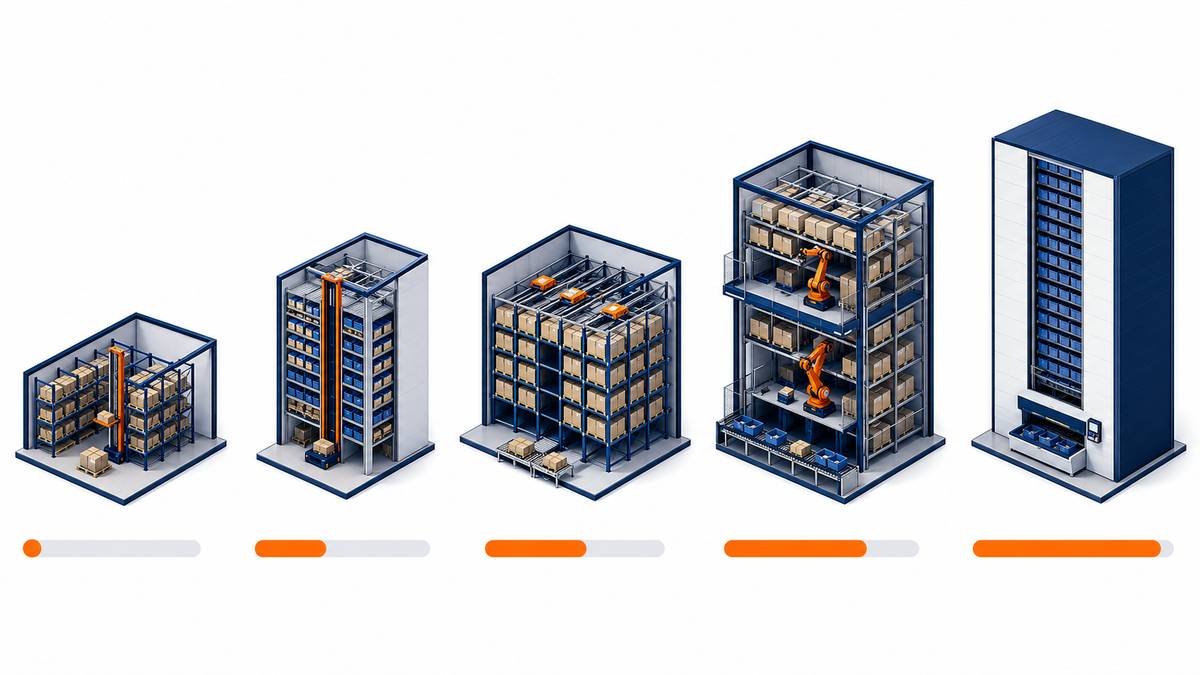
A single-deep unit load crane system costs far less per pallet position than a multi-shuttle system with goods-to-person picking stations. The technology you choose is the single biggest cost driver — and the right choice depends entirely on your SKU profile, throughput targets, and order characteristics. We'll break down pricing by type in the next section.
2. Warehouse footprint and storage density
Larger systems cost more in absolute terms, but the cost per storage position typically drops as you scale. A 5,000-position system might run $200–$400 per position, while a 50,000-position system could come in at $80–$150 per position. Ceiling height matters too — taller buildings allow denser vertical storage, which improves your cost-per-position ratio.
3. Integration complexity
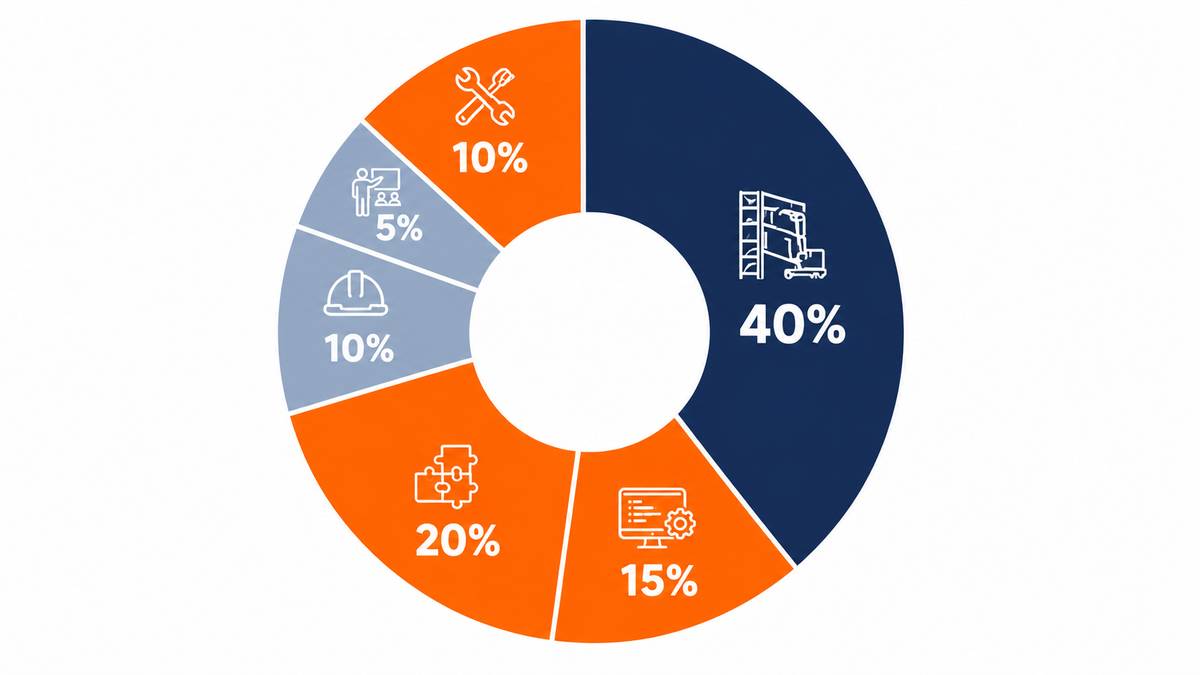
This is where most budget estimates go wrong. Connecting an ASRS to your existing WMS, ERP, conveyor network, and shipping systems requires significant software and engineering work. In our experience, integration typically accounts for 15%–30% of total project cost. Companies that buy hardware from one vendor and then scramble to find someone to integrate it almost always overspend.
4. Site preparation and infrastructure
Floor flatness requirements, electrical capacity upgrades, fire suppression modifications, structural reinforcement — these aren't optional line items. They're prerequisites. A warehouse built in the 1990s will need substantially more prep work than a purpose-built facility. Budget 5%–15% of total project cost for site preparation.
5. Throughput and performance requirements
A system designed for 200 order lines per hour costs dramatically less than one engineered for 2,000 lines per hour. Peak-season surge capacity adds another layer — if your Black Friday volume is 4x your average Tuesday, the system needs to handle that ceiling, not just the baseline.
ASRS System Cost by Type: 2026 Price Ranges
Here's what you can expect to pay for each major ASRS category in 2026, based on current market pricing and our project data. All figures are USD and include hardware, software, and basic installation.
Unit Load ASRS (Pallet Handling)
- Price range: $2M–$10M for a typical installation
- Cost per pallet position: $150–$500
- Best for: Bulk storage, manufacturing, cold chain, beverage distribution
Unit load systems use automated stacker cranes operating in narrow aisles to store and retrieve full pallets. They're the most mature ASRS technology and offer predictable pricing. A mid-size system handling 8,000–12,000 pallet positions with 2–4 cranes typically lands in the $3M–$6M range.
Mini Load ASRS (Tote/Carton Handling)
- Price range: $1.5M–$8M
- Cost per storage position: $100–$350
- Best for: E-commerce fulfillment, pharmaceutical, electronics, spare parts
Mini load systems handle smaller containers — totes, trays, cartons — using automated cranes or shuttles within enclosed racking. They're popular for operations with high SKU counts and moderate throughput needs. A system with 15,000–25,000 tote positions and integrated picking stations runs $3M–$5M on average.
Shuttle-Based ASRS
- Price range: $2M–$15M
- Cost per position: $120–$400
- Best for: High-throughput distribution, omnichannel fulfillment, 3PL operations
Shuttle systems offer the best scalability story — you add shuttles to increase throughput without redesigning the racking. That flexibility comes at a premium upfront, but it protects your investment as volumes grow. A mid-range shuttle system with 20,000+ positions and 30–50 shuttles typically costs $4M–$8M.
Robotic Goods-to-Person ASRS
- Price range: $500K–$12M
- Cost per robot: $25,000–$60,000 (varies by manufacturer and capability)
- Best for: E-commerce, retail distribution, 3PL, any operation with high pick rates
This is the fastest-growing ASRS category, and it's where we see the most pricing variation. A fleet of 50 bin-carrying robots with racking and workstations might cost $1.5M–$3M. Scale that to 200+ robots across multiple zones and you're looking at $5M–$12M. The wide range reflects differences in robot capability, racking density, and the number of picking stations required.
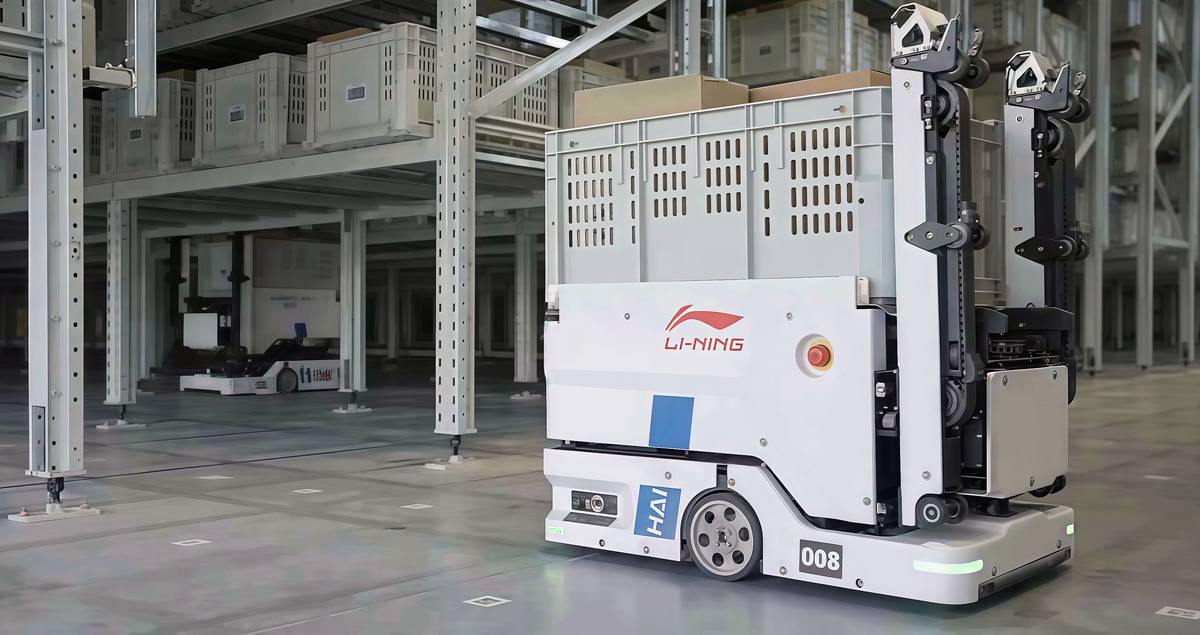
When we deployed a robotic ASRS for a major sportswear brand, the project involved bin robots across multiple warehouse zones. The result was a 630% efficiency gain for Li-Ning — but the cost structure looked nothing like a cookie-cutter quote from a single robot manufacturer. The system required integrating robots from different suppliers, custom workstation design, and a warehouse execution system that could orchestrate the entire operation.
Vertical Lift Modules (VLM)
- Price range: $80K–$250K per unit
- Best for: Small-parts storage, maintenance facilities, clean rooms, retail backrooms
VLMs are the entry point for ASRS. A single unit can be operational within weeks and doesn't require the infrastructure investment of larger systems. Most operations deploy 2–5 units, putting total investment in the $200K–$1M range.
The Hidden Costs of ASRS That Vendors Won't Mention
Here's where the real education happens. The sticker price on a proposal covers hardware and basic installation. But your actual ASRS total cost of ownership includes several line items that many vendors conveniently leave out of initial quotes.
Software licensing and annual fees
Most ASRS vendors charge ongoing software licensing fees — typically 10%–18% of the initial software cost per year. Over a 10-year system life, that adds up to more than the original software purchase. Ask for a 10-year total cost of ownership calculation, not just the Year 1 number.
Spare parts and maintenance contracts
Automated systems need preventive maintenance. Budget $50,000–$200,000 per year depending on system size and complexity. Some vendors lock you into proprietary spare parts at 3x–5x market rates. Before signing, ask: Can I source replacement parts from third-party suppliers? If the answer is no, factor that markup into your TCO.
Training and change management
Your team needs to learn how to operate, troubleshoot, and manage the new system. Training costs $20,000–$80,000 depending on system complexity and team size. The bigger hidden cost is productivity loss during the ramp-up period — expect 60%–70% of target throughput for the first 2–3 months after go-live.
Network and IT infrastructure
ASRS systems generate massive amounts of data and require reliable, low-latency network connectivity. If your warehouse is running on consumer-grade WiFi, you'll need a network upgrade. Budget $30,000–$100,000 for industrial-grade wireless infrastructure, servers, and redundancy.
Facility modifications you didn't plan for
We've seen projects where floor remediation alone cost $300,000 because the existing slab couldn't meet flatness tolerances. Electrical upgrades, HVAC modifications for heat generated by charging stations, and fire code compliance for high-density racking are common surprises. Get a thorough site assessment before you finalize your budget.
ROI Analysis: When Does an ASRS Pay for Itself?
The question isn't really "how much does ASRS cost" — it's "how fast does it pay back?" Based on industry data from MHI's Annual Industry Report, the average ASRS payback period is 2–5 years, with most projects hitting ROI in the 3-year range.
But averages hide the real story. Here's what ROI looks like with actual project data from our deployments:
Li-Ning (Sportswear): Deployed a bin robot ASRS across warehouse operations. Result: 630% improvement in picking efficiency. At that rate of productivity gain, the system paid for itself in under 18 months. The key wasn't just the robots — it was the integration layer that optimized task allocation across zones. Read the full breakdown of Li-Ning's 630% efficiency gain.
Decathlon (Sporting Goods Retail): Over 25 projects with 1,000+ robots deployed globally. Decathlon's scale meant they needed a partner who could manage multi-vendor robot fleets across different warehouse layouts and regional requirements. A single-vendor approach would have locked them into one robot type regardless of whether it fit each facility. See how Decathlon's 1000+ robot deployment worked in practice.
YKK (Industrial Manufacturing): Implemented a goods-to-person system combined with robotic arms for 24/7 unmanned operation. Labor cost savings alone — eliminating three shifts of manual picking staff — delivered payback within 2 years.
Shengyun Circuit (Electronics Manufacturing): Deployed forklift AGVs that increased material handling efficiency by 30% and reduced headcount by 40%. For a mid-size manufacturer, that translated to annual savings exceeding $400,000 against a system investment under $1.5M.
The pattern across these projects: ROI accelerates when the system is designed around your specific operation rather than forced into a one-size-fits-all hardware package.
Quick ROI Calculation Framework
To estimate your own payback period, start with these inputs:
- Current annual labor cost for warehouse operations (picking, putaway, replenishment)
- Expected labor reduction percentage (typically 30%–60% depending on automation level)
- Annual savings from reduced error rates (mis-picks cost $10–$50 each to correct)
- Space savings value (ASRS typically reduces footprint by 40%–60%, which matters if you're leasing)
- Total ASRS investment including hidden costs from the section above
Divide total investment by annual net savings. That's your payback period in years. If it's under 4 years, the project is financially sound for most operations.
How to Reduce ASRS System Cost: The Integrator Advantage
Here's something most buyers learn too late: the biggest cost lever isn't which robot you buy — it's how the system gets designed and integrated.
Single-vendor vs. multi-vendor approach
Most ASRS manufacturers sell their own hardware and push you toward an all-in-one solution. That works fine if their product happens to be the best fit for every zone in your warehouse. It rarely is.
A distribution center with pallet storage, tote picking, and goods-to-person zones might be best served by three different hardware platforms. A single vendor will sell you their version of all three — even if their tote shuttle is mediocre and their goods-to-person solution is overpriced for your throughput level.
An integrator takes a different approach: select the best-fit hardware for each zone, then tie everything together with a unified software layer. In our experience, this approach saves 15%–25% on total project cost compared to single-vendor solutions — because you're not paying a premium for hardware that isn't the best match for your requirements.
The role of WES in cost optimization
A WES platform for multi-vendor orchestration sits between your WMS and the physical automation, orchestrating real-time task allocation, robot traffic management, and cross-zone coordination. When you're running equipment from multiple manufacturers, the WES is what makes it all work as one system.
Our WES platform uses a microservices architecture with plug-and-play device management. That means adding a new robot type or swapping out a shuttle system doesn't require rebuilding the entire software stack. It reduces both initial integration cost and long-term maintenance expense.
Phased implementation
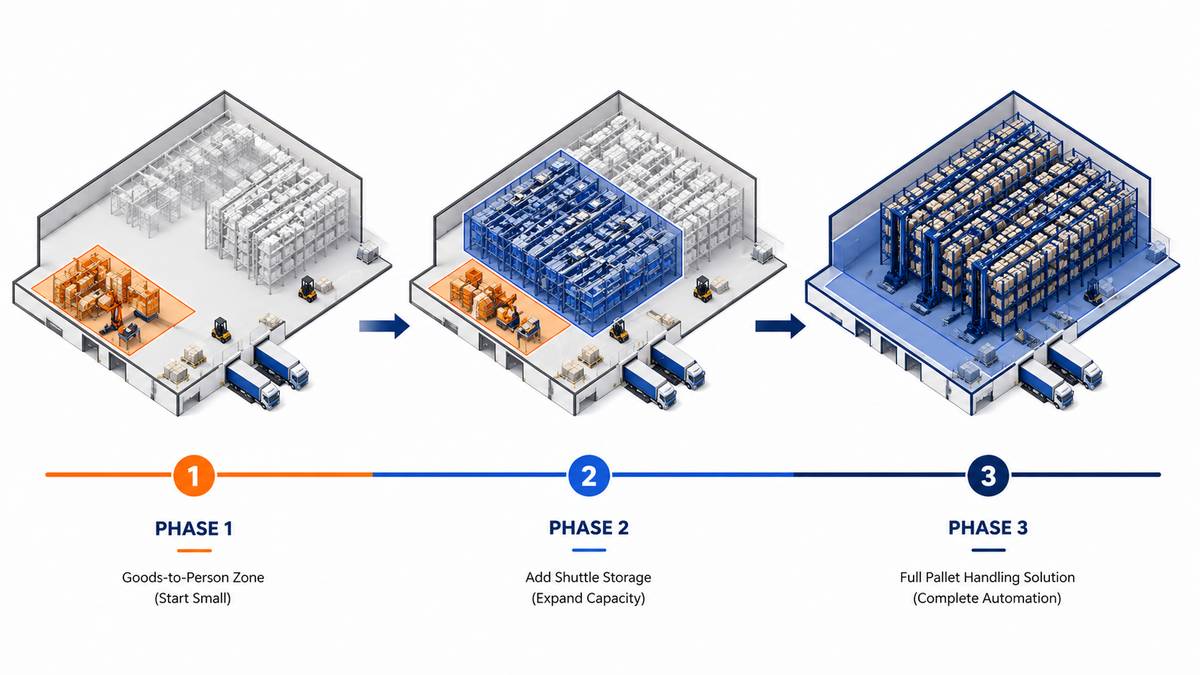
You don't have to automate everything on day one. A phased approach lets you start with the highest-ROI zone, prove the concept, and expand from there. Phase 1 might be a robotic goods-to-person system for your fastest-moving SKUs. Phase 2 adds shuttle-based storage for medium movers. Phase 3 automates pallet handling.
Each phase generates savings that fund the next phase. It's a lower-risk path that also spreads capital expenditure across multiple budget cycles.
What to Look for in an ASRS Cost Proposal
When you receive quotes from ASRS vendors, here's how to compare them on equal footing:
Demand a 10-year TCO breakdown. Year 1 cost is meaningless without visibility into annual software fees, maintenance contracts, spare parts pricing, and upgrade costs. A system that's $500K cheaper upfront but charges $150K/year more in licensing costs you $1M extra over a decade.
Ask about vendor lock-in. Can you source spare parts independently? Can you add equipment from other manufacturers later? If the answer to both is no, you're signing up for a closed ecosystem that limits your options and inflates long-term costs.
Verify integration scope. Does the quote include full integration with your WMS, ERP, and existing material handling equipment? Or does it stop at the ASRS boundary and leave you to figure out the connections? Integration gaps are the #1 source of budget overruns.
Check the simulation and design fee. Reputable providers run detailed simulation models before finalizing system design. If a vendor skips this step and jumps straight to a hardware quote, they're guessing — and you'll pay for those guesses during installation.
Request reference projects at similar scale. Ask to speak with clients who have been running the system for 2+ years. Year 1 satisfaction is easy; year 3 satisfaction tells you about reliability, support quality, and true operating costs.
Browse our ASRS hardware options to understand the equipment categories, and explore industry-specific solutions to see how system design varies by vertical.
Getting an Accurate ASRS System Cost Estimate
Every warehouse is different. SKU profiles, order characteristics, building constraints, labor markets, and growth projections all shape the right system design — and the right budget.
The numbers in this guide give you a realistic framework for planning. But the only way to get an accurate ASRS system cost for your operation is to work through a proper needs assessment with a qualified integrator.
We've deployed over 6,000 robots across 50+ projects for companies including Sony, Li-Ning, Decathlon, and YKK. As a certified high-tech enterprise and "Specialized & Sophisticated" SME, we bring both the technical depth and the project track record to get your budget right the first time.
If you're evaluating warehouse automation and want a realistic cost picture — not a sales pitch — get a custom quote from our team. We'll start with your operation, not our product catalog.
Considering whether automation is right for your operation? See how ASRS stacks up compared to traditional warehousing before you start budgeting.
Planning a Warehouse Automation Project?
Our team has delivered 50+ ASRS systems across retail, manufacturing, and logistics. Tell us about your project and we will get back to you within 24 hours.
Thank you!
We received your message and will get back to you within 24 hours.